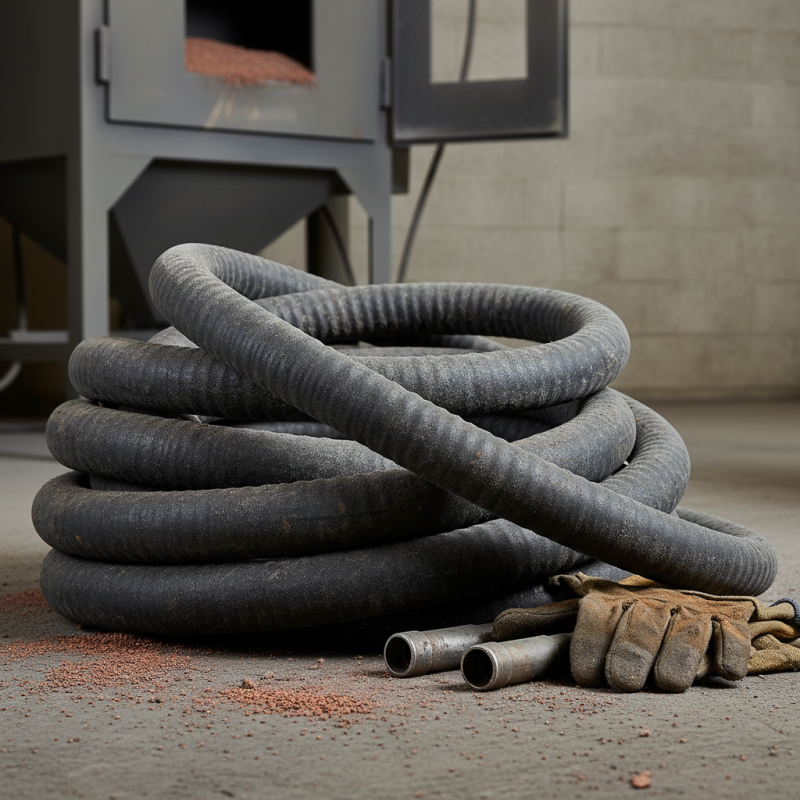
2026 How to Choose the Best Sandblast Rubber Hose?
Choosing the right Sandblast rubber hose can significantly impact your blasting projects. A high-quality hose ensures proper material flow and durability. It is crucial to consider factors such as hose diameter and pressure ratings.
Different applications require different hose specifications. For example, a thicker hose may withstand higher pressures. However, it could be less flexible. On the other hand, a lightweight hose may be easier to maneuver but might wear out faster.
Some users might overlook maintenance. Ignoring wear and tear can lead to failures. Regular inspections and cleaning are necessary. Finding a balance between cost and quality is essential. Investing in a good sandblast rubber hose pays off in the long run.
Factors to Consider When Choosing a Sandblast Rubber Hose
Choosing the right sandblast rubber hose can be more complex than it seems. Several factors come into play. First, consider the hose's diameter. A larger diameter may increase airflow, but can also reduce pressure. Balance is key.
Next, look at the hose's material. The rubber must be durable yet flexible. It should resist wear and tear from abrasive materials. Also, take note of the temperature range. Some hoses can handle high temperatures, while others cannot.
It can be useful to test the hose before making a decision. Flexibility can vary under pressure. Not all hoses perform well over time. Pay attention to customer reviews, but remember they may not reflect your specific needs. Understanding these factors is crucial for your choice.
Factors Influencing the Selection of Sandblast Rubber Hose
Types of Sandblast Rubber Hoses Available in the Market
When choosing a sandblast rubber hose, understanding the types available is crucial. The market offers various options tailored for different applications. Typically, hoses are classified based on their application, pressure range, and material composition. Common types include standard rubber hoses, heavy-duty hoses, and abrasion-resistant versions.
Standard rubber hoses are widely used. They are flexible and cost-effective. However, they may not withstand high pressure or rough environments well. Heavy-duty hoses, on the other hand, are designed for extreme conditions. They can handle more pressure but often come at a higher price. According to industry reports, heavy-duty hoses account for over 30% of sales in the sandblasting market. This indicates a growing demand among professionals requiring durability.
Abrasion-resistant hoses are essential for optimizing performance. They reduce wear and tear, increasing the hose lifespan. These hoses often have reinforced materials, which can handle intense environments. A recent study noted that abrasion-resistant versions can last up to 50% longer than standard options. But, they can be heavy and less flexible, complicating maneuverability during projects. Balancing these factors can become challenging for users.
Durability and Flexibility: Key Features of Quality Sandblast Hoses
When choosing a sandblast rubber hose, durability and flexibility stand out as pivotal qualities. Numerous industry studies indicate that hoses with high durability can withstand heavy use and extreme environments. For instance, hoses constructed from high-grade rubber often exhibit up to 50% more resistance to abrasion compared to standard materials. This is critical in sandblasting, where the hose faces severe wear.
Flexibility is equally essential in a sandblast hose. A more flexible hose can navigate tight spaces without kinking. According to a report by industry experts, a flexible hose can reduce operational mishaps by 30%. However, achieving optimal flexibility without sacrificing durability can be challenging. Hoses that are too flexible might wear out faster, leading to safety concerns.
Moreover, the right balance of these two features is not always found. In some cases, users may need to reflect on their specific operational needs. A product that meets high durability standards may have reduced flexibility, limiting maneuverability. Understanding the trade-offs can enhance efficiency and safety in sandblasting applications.
Understanding Hose Size and Fitting for Optimal Performance
Choosing the right sandblast rubber hose involves understanding the size and fittings needed for optimal performance. The size of the hose matters significantly. A hose that's too small can restrict airflow, leading to inefficient blasting. Conversely, a hose that's too large may lead to increased weight and decreased maneuverability. It’s essential to assess your blasting requirements and work area before making a choice.
Fittings also play a crucial role in performance. Different applications may require various fitting types. Mismatched fittings can cause leaks or loss of pressure. They can even lead to safety hazards. Always check compatibility before finalizing your purchase. Sometimes, shops carry standard fittings. But this may not suit specialized tasks.
Don’t overlook the importance of a proper connection. A good fit ensures effective pressure maintenance during use. In some cases, it’s necessary to experiment with several options. This can feel frustrating, but the right setup ultimately saves time and increases efficiency. Assessing hose size and fittings is not just practical. It’s essential for successful sandblasting.
Safety Standards and Certifications for Sandblast Rubber Hoses
When choosing a sandblast rubber hose, safety standards are critical. These hoses must comply with industry regulations. According to a report by the Industrial Rubber Products Association, over 30% of hose failures are due to inadequate safety measures. Hoses should meet specific certifications, such as those outlined by the American National Standards Institute (ANSI).
Look for hoses certified by organizations like the Occupational Safety and Health Administration (OSHA). These certifications ensure the hose can withstand high pressures. Many hoses operate safely under pressures up to 150 psi. Yet, this is not universal. Some products fail to meet these safety thresholds. Quality testing can identify weak points.
In addition to certifications, consider the material. Not all rubber compositions hold up against abrasives. A hose that degrades quickly might lead to accidents. Regular maintenance is essential. Inspect hoses for wear and tear, as overlooked issues can lead to catastrophic failures. Be mindful of these factors to choose a safe and durable sandblast hose.