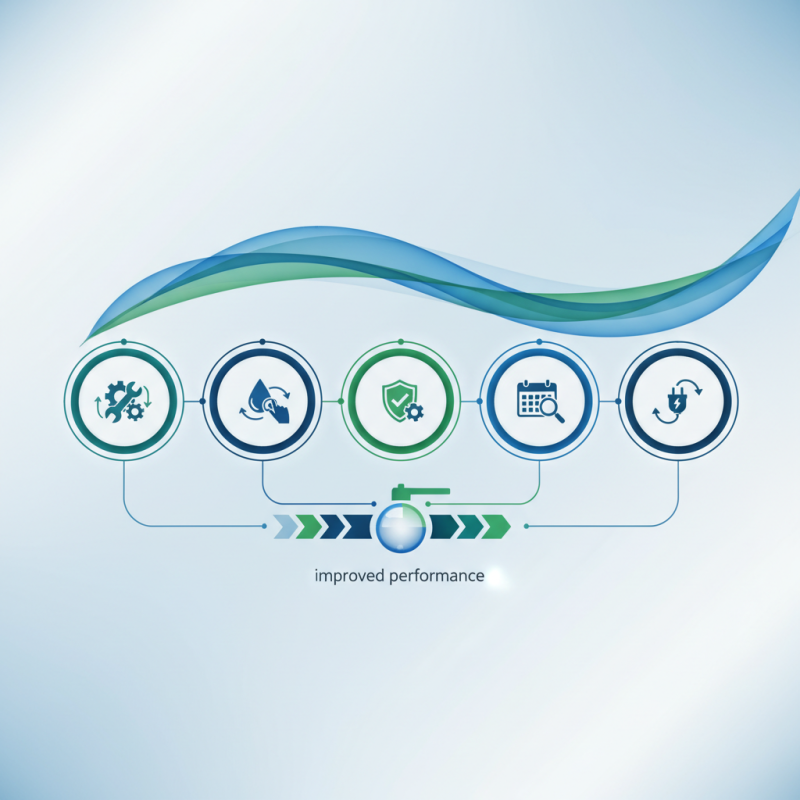
Top 5 Electric Ball Valve Tips for Better Performance?
Electric Ball Valves are becoming increasingly popular in various applications. They provide precise control over fluid flow with minimal effort. However, many users overlook simple yet impactful tips for optimizing their performance.
Ensuring the longevity and efficiency of electric ball valves requires understanding their features. Common pitfalls exist, such as improper installation or neglecting regular maintenance. These mistakes can lead to subpar performance and increased downtime.
Acknowledging these challenges is crucial. By following effective tips, users can avoid common traps. Improving the performance of electric ball valves does not have to be complex. With a few adjustments, efficiency can be significantly enhanced.
Understanding Electric Ball Valves: Key Specifications and Features
Electric ball valves are critical in numerous industries. Understanding their specifications and features is essential for optimal performance. Key aspects to consider include size, voltage, and actuator type. According to industry studies, the proper sizing of an electric ball valve can lead to efficiency improvements of up to 30%.
Tip 1: Pay attention to valve sizing. Incorrect sizing can cause flow restrictions or leaks. It’s important to assess the system's requirements before installation.
The actuator type also influences performance. Electric actuators can offer precise control and fast response times. Reports highlight that electric actuators can reduce operational costs by providing accurate positioning.
Tip 2: Choose the right actuator. Different applications require different actuators. A mismatch can hinder performance and raise maintenance costs.
Material selection is another critical factor. Common materials include brass, stainless steel, and PVC. Each material has unique properties that affect durability and corrosion resistance.
Tip 3: Assess the environment. Harsh conditions may require specific materials to prevent premature failure. Ignoring environmental factors can lead to unexpected breakdowns.
Optimal Sizing and Selection: Importance of Flow Rates and Pressure Ratings
Selecting the right electric ball valve requires careful consideration of flow rates and pressure ratings. These factors play a pivotal role in ensuring optimal performance. A miscalculation can lead to inefficiencies. For example, if the flow rate is too low, the valve may not operate correctly. Conversely, excessive flow can cause damage.
It's essential to analyze the system’s requirements. Understand the maximum and minimum pressure ratings required for your application. This knowledge helps in choosing a valve that meets operational demands. A valve with improper sizing can lead to leaks or failures. Additionally, the installation site may impose unique restrictions.
Temperature and fluid type also influence the selection process. Some materials may degrade under high temperatures. A thorough assessment might reveal that a valve thought to be ideal is not suitable at all. Ensuring compatibility can prevent costly replacements. A well-chosen electric ball valve not only enhances efficiency but also prolongs the lifespan of the entire system.
Maintaining Electric Ball Valves: Recommended Practices for Longevity
Electric ball valves are essential in many industries. Proper maintenance is crucial to their longevity and performance. Regularly inspecting components can prevent unexpected failures. Data shows that over 30% of valve failures are linked to lack of maintenance. Simple checks can save costs and reduce downtime.
Routine maintenance should include cleaning and lubrication. Dust and debris can jam internal mechanisms. A thorough cleaning can enhance operation. Many users overlook these steps. Operators must also monitor valve positions frequently. Failing to do so may lead to misalignments and inefficiencies.
Temperature control is vital. Electric ball valves perform best within specified ranges. Extreme heat can degrade materials. Over 25% of electric valves experience performance loss due to temperature issues. Addressing these factors early can avoid costly repairs. Regular training for personnel is also important. Investing in knowledge ensures better handling and care.
Evaluating Actuator Types: Electric vs. Pneumatic for Performance Efficiency
In evaluating actuator types for electric ball valves, electric actuators often outperform pneumatic ones. A report from the International Society of Automation highlights that electric actuators can improve energy efficiency by up to 70% compared to pneumatic models. This efficiency is crucial in reducing operational costs over time. Moreover, electric actuators offer precise control, which is essential for systems requiring accurate flow rates.
However, the transition to electric systems is not without challenges. Electric actuators can be sensitive to environmental factors such as temperature and humidity. In extreme conditions, performance may degrade. A recent study revealed that failure rates of electric actuators increased by nearly 15% in harsh environments. This prompts a necessary examination of the installation conditions and maintenance routines.
Pneumatic actuators, on the other hand, excel in high-speed operations. They can respond quickly to system demands, making them suitable for dynamic environments. However, the compressed air needed for operation can come with high running costs and pressure drops. Thus, while electric actuators promise better efficiency, their deployment should consider the specific needs of the application. Areas of improvement in both types can lead to enhanced reliability and performance.
Performance Comparison of Electric and Pneumatic Actuators in Ball Valves
Common Troubleshooting Techniques for Enhanced Electric Ball Valve Reliability
Electric ball valves are crucial in many systems. However, they can encounter issues. Understanding how to troubleshoot can enhance reliability.
One common problem is erratic operation. Check the power source. Sometimes, low voltage affects performance. Ensure wiring is secure and connections are clean. A loose connection can lead to frustrating results.
Another issue is leaks. Inspect seals and gaskets. Over time, wear can occur. Replace worn parts to maintain a tight seal. Regular maintenance is essential.
For improved performance, consider these tips. Monitor valve positioning regularly. Use consistent power supply. This can prevent unexpected behavior. Lastly, always keep the user manual nearby. It may offer insights and solutions when needed.